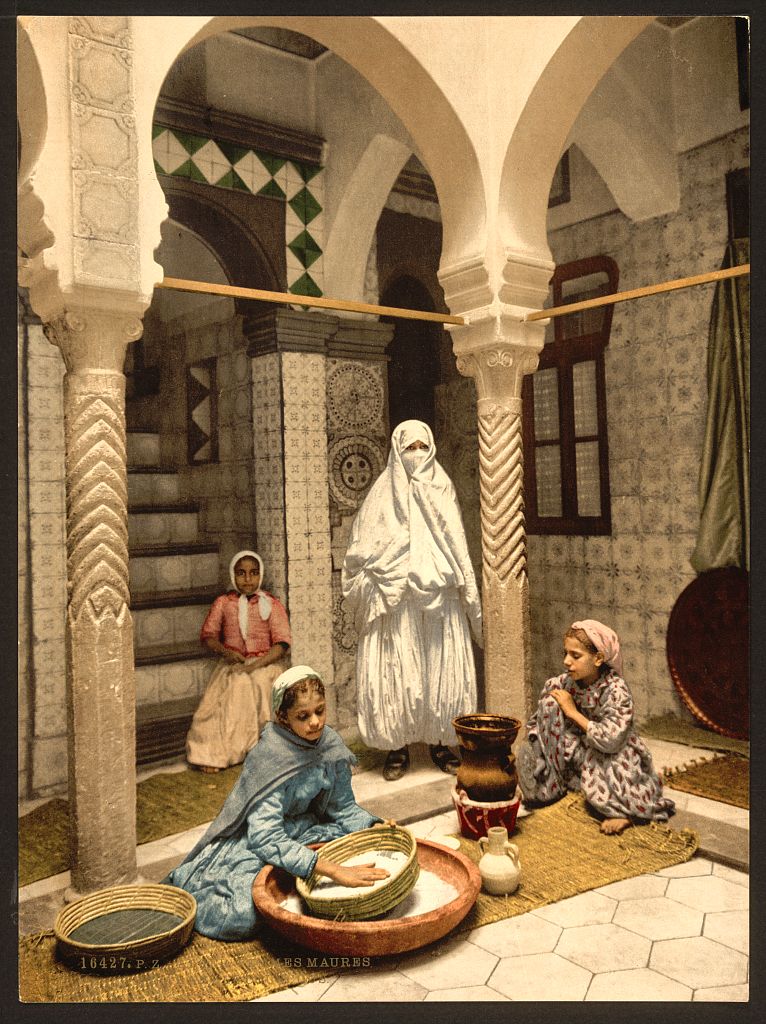
Moorish women preparing couscous by hand in a tiled courtyard, Algiers, c. 1899

Food so nice
they named it twice

From the Berber word seksu, meaning well-rolled, couscous is an emblematic dish of Maghrebi, Berber and Jewish cuisines. Made of semolina moistened between the palms, sifted through a ghorbal, it has nourished generations, sustained communities, and helped shape entire civilizations. For centuries, women gathered during twiza to prepare enough for the year. That is the grain behind everything we make.

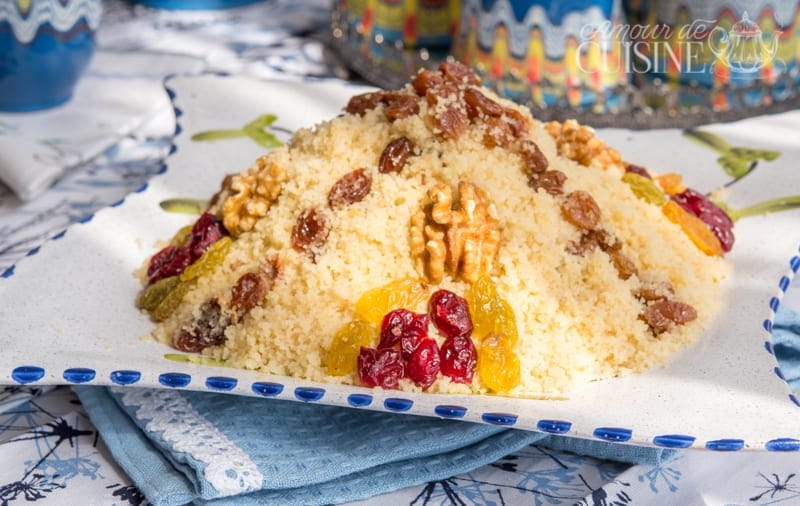
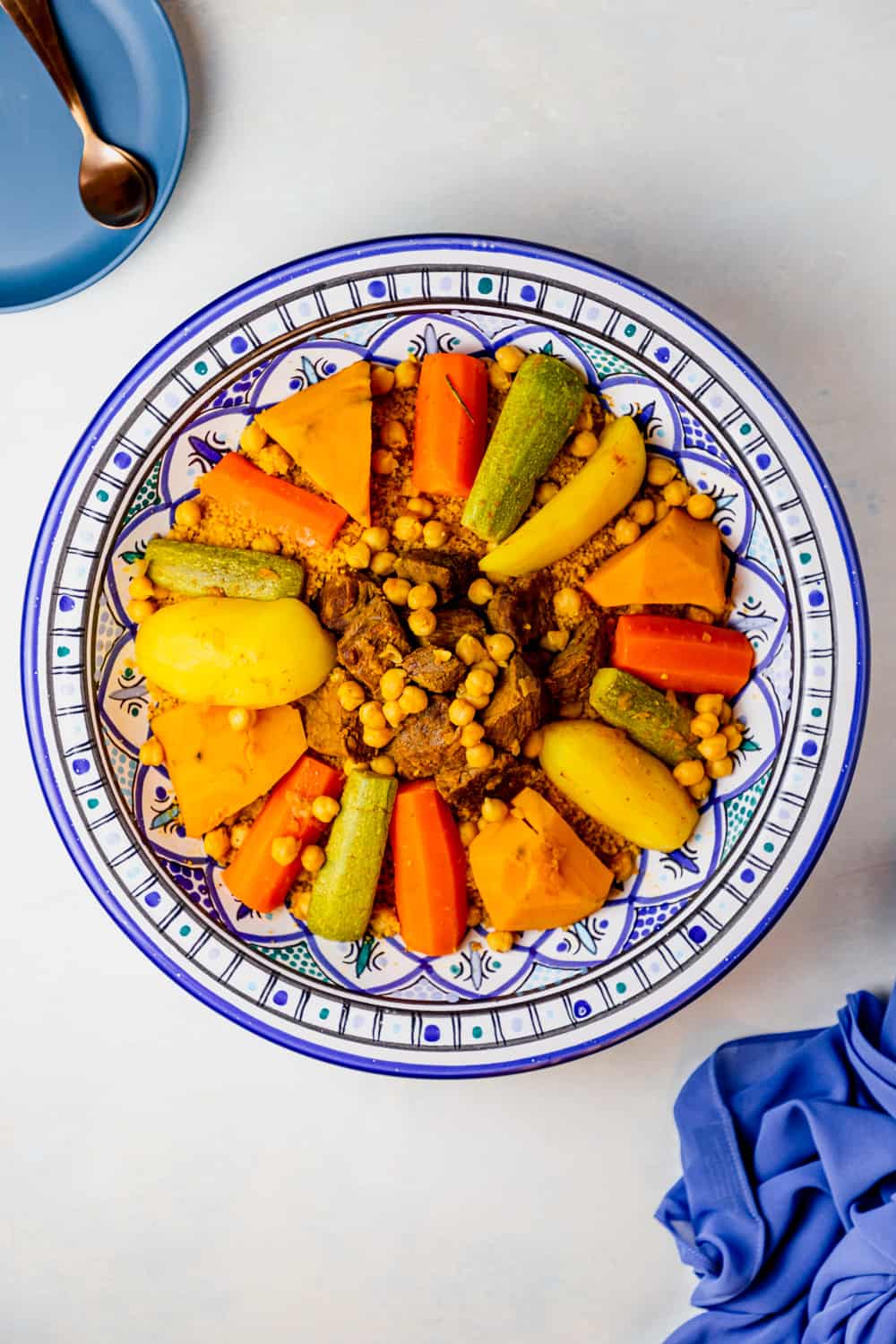
Traditional Algerian couscous served on a wooden platter

I am Algerian, but I was raised in Canada. I went back to Algeria for a big part of my formative years, then returned here after graduating. A lot of Algeria still lives in me, in how I eat, how I cook, and what I expect food to feel like at the table.

A year ago, I noticed that life here made me soft around the edges and I needed to get back in shape. It coincided with the rising trend of high-protein low calorie foods. I set out to make my version of couscous that was completely utilitarian. I made it and kept chasing macros, and to be honest, it was bad.

I realized taste only came when I stopped making it entirely for protein, so I did as any true Algerian would, and went back to my grandma for advice.
The table is
already worth
setting

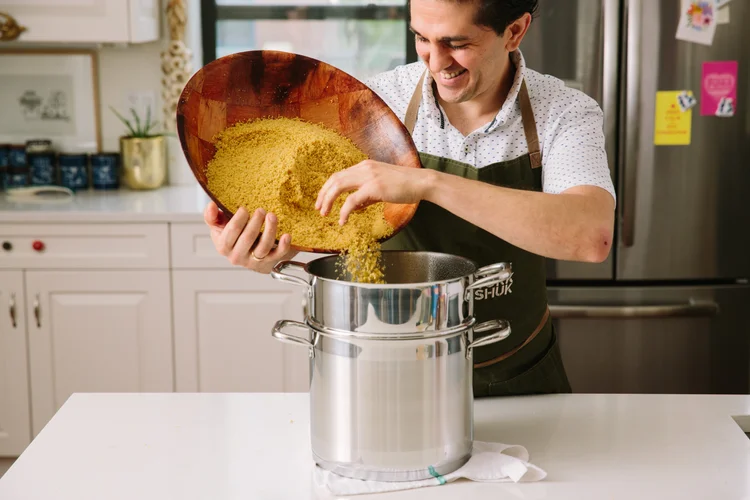
Steaming couscous in a modern kitchen

And so I went back to more traditional recipes I grew up with. I visited mothers and grandmothers in the kitchen and learned how to make it the way they did. I am not trying to reinvent it. I am trying to find a good in-between: more nourishment than the sad little beadsindustrialized versions in the back aisle, more soul than another protein fad pretending to be dinner.

Dedoka is that search, still in progress. We are still perfecting every batch, wanna help? Subscribe to the newsletter, check out our socials. And if you have the budget to help get this off the ground, give us a call!

Contact us